
How Much Does Clothing Product Photography Cost?
Studio, editing-service and AI prices for ghost mannequin and flat lay images, checked in October 2026, and how to work out what a catalog will cost you.
The price of a clothing product photo depends mostly on who does which part of the work. Someone has to dress the garment, take the photo, and edit it into a clean image. Pay a studio and it does all three. Use an editing service and you take the photo yourself. Use an AI tool and you take the photo yourself and check the result yourself.
The figures below come from the providers' own price pages, checked on 1 October 2026. Prices change, and most studios give volume discounts, so treat them as a starting point and ask for a quote.
Studio photography: about $25–$75 per image
Mail-in product studios shoot and retouch your garments for you. You send the clothes, they send back finished images.
| Provider | Style | Listed price |
|---|---|---|
| Squareshot | Ghost mannequin | $75 per image, less with a paid membership; $300 minimum without one |
| Squareshot | Flat lay | $50 per image ($35 with membership); $300 minimum without one |
| ProductPhoto.com | Flat lay, white background | $40 per photo for 1–10, $35 for 11–50, $30 for 51+ |
| soona | Build your own shot list | $39 per image |
What you get for that: steaming and styling, consistent lighting across every product, retouching, and someone else's time. Turnaround on these pages runs from about 6 to 12 business days, plus shipping both ways.
A studio makes sense when the photo has to be exact (a high-end label, fabric texture that sells the product, a fit that has to be shown precisely) or when you don't have time to shoot at all.
Editing services: about $1–$8 per image
If you can take a decent photo on a mannequin, an editing service will remove the mannequin and build the ghost mannequin image by hand. Path, for example, lists $0.89 for a simple ghost mannequin edit and $1.79 for a complex one. It asks for two photos per garment: one on the mannequin and one of the inside of the neck, so the editor can show the real inside instead of guessing it.
That second photo is the main difference from AI. A human editor combines two real photos; an AI tool draws the part it can't see.
AI tools: about $0.20–$0.25 per image here
On this site, one image costs one credit. Credit packs range from 20 credits for $4.99 to 150 credits for $29.99, so between about $0.25 and $0.20 per image (see pricing). A failed generation gives the credit back.
The trade-offs, so you can compare fairly:
- You still take the photo. A sharp, evenly lit photo on a mannequin, a hanger or laid flat. How to photograph clothes for ghost mannequin images covers the setup.
- Some parts are drawn by the AI. On a ghost mannequin that is the inside of the neck, which is hidden in a mannequin photo. It can differ from your garment, and it sometimes includes a neck label your garment doesn't have.
- You check every result. Color, print, logo and shape are meant to stay as they are in your photo, but compare each image with the product before you publish it.
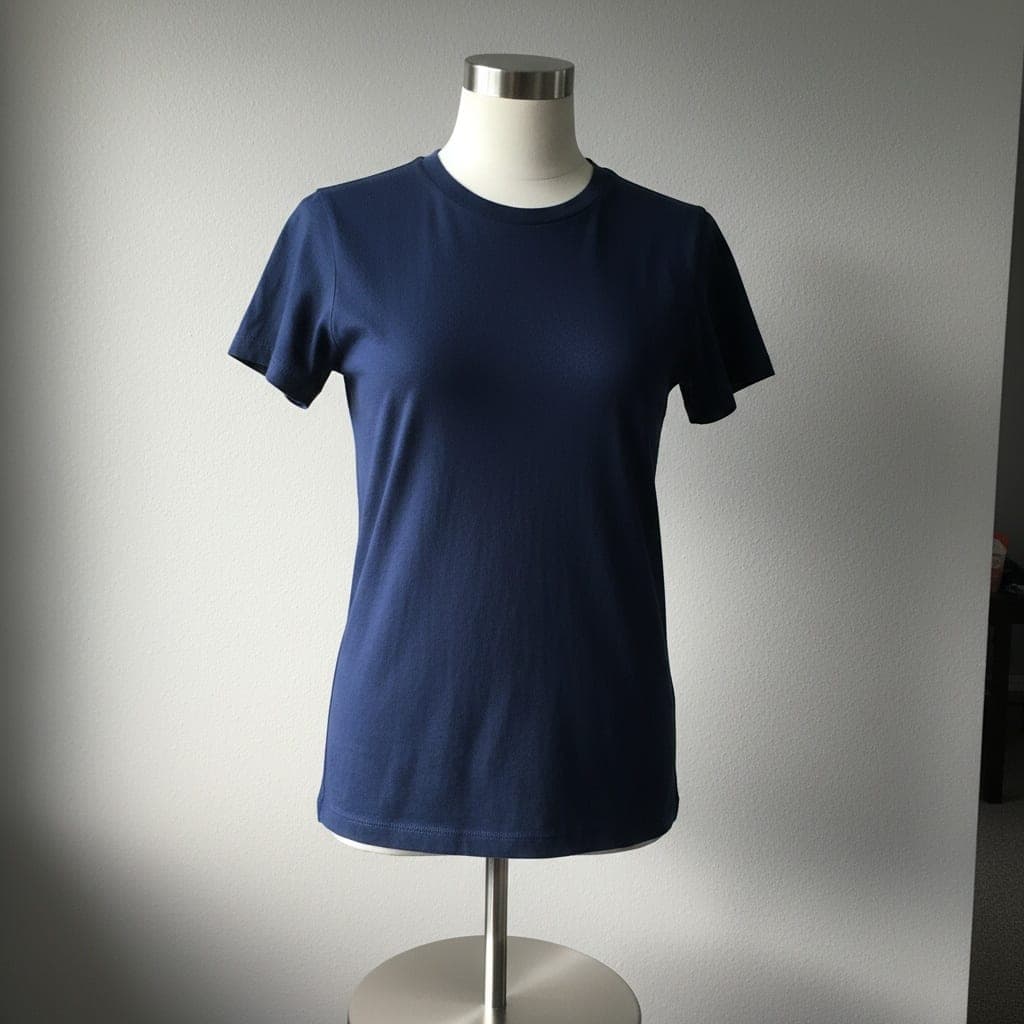 Mannequin
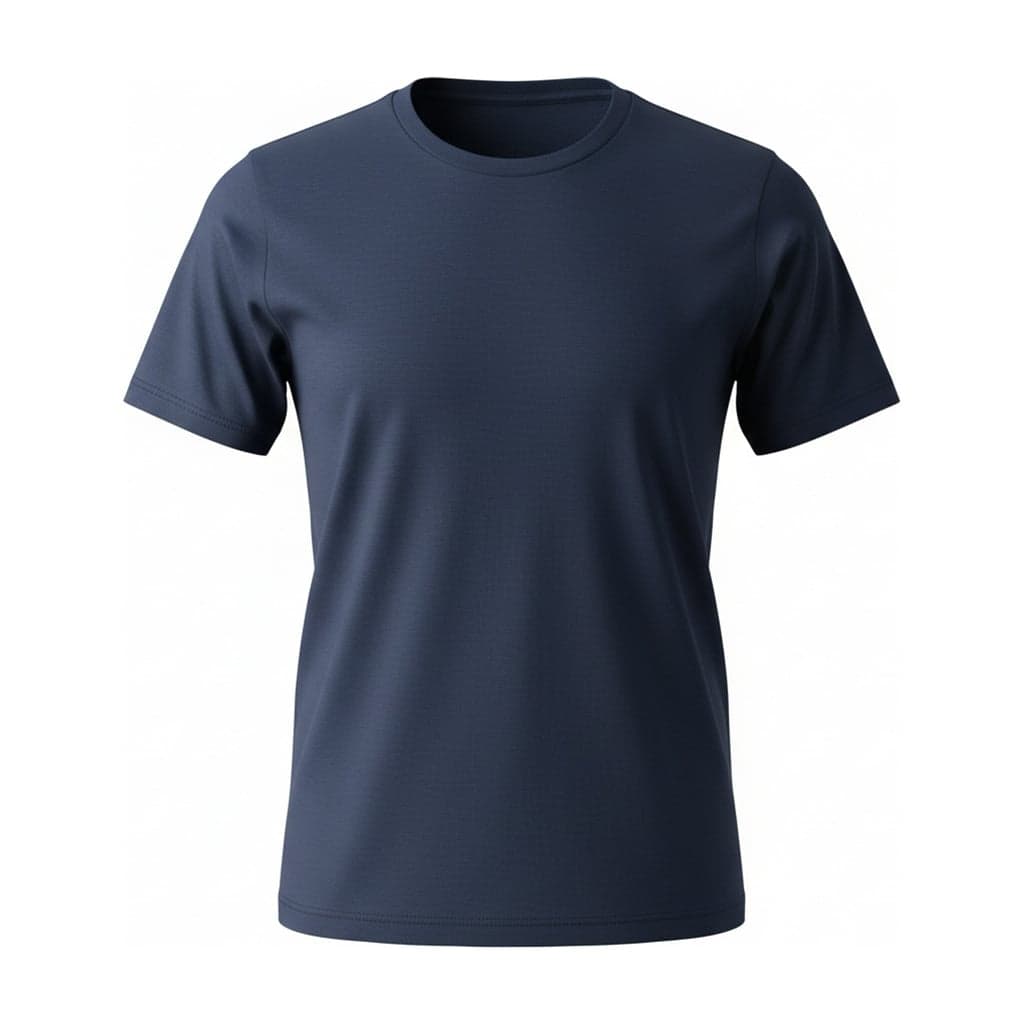 Ghost mannequin
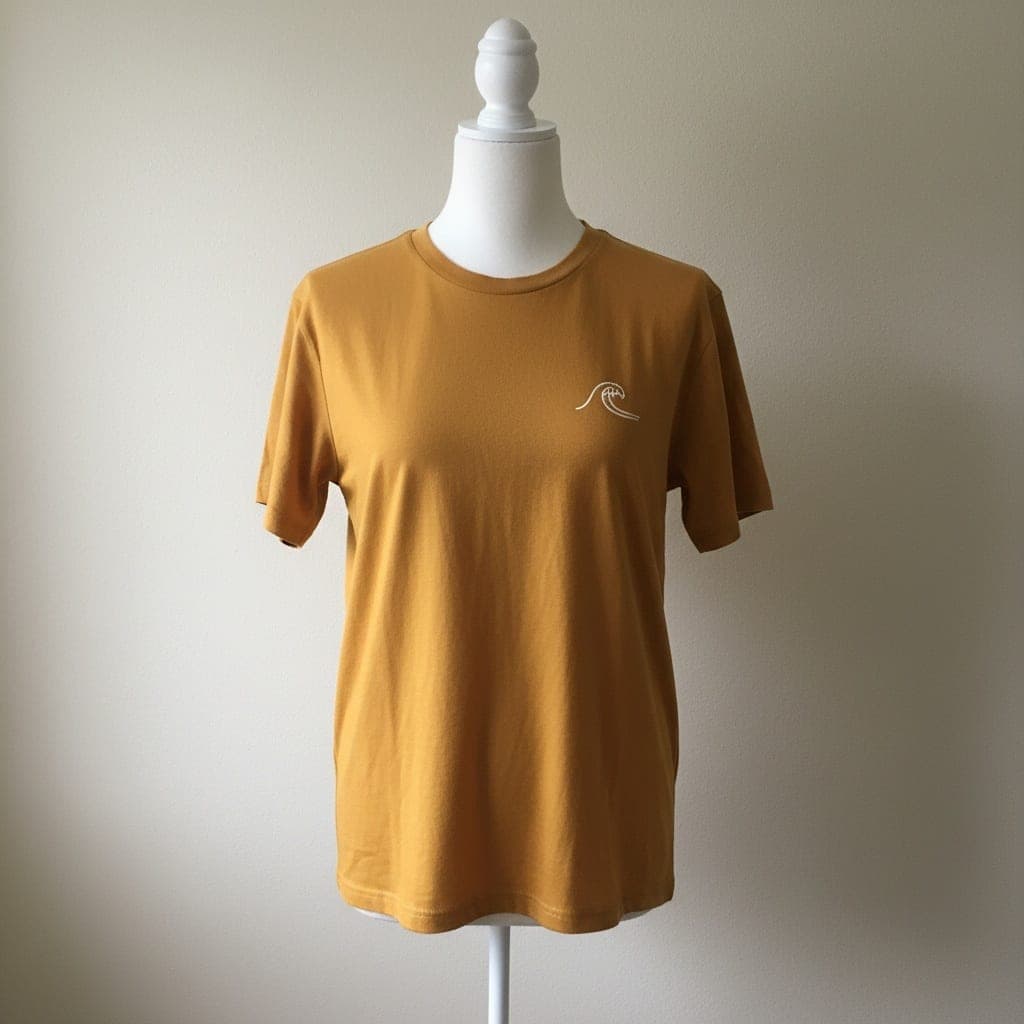 Mannequin
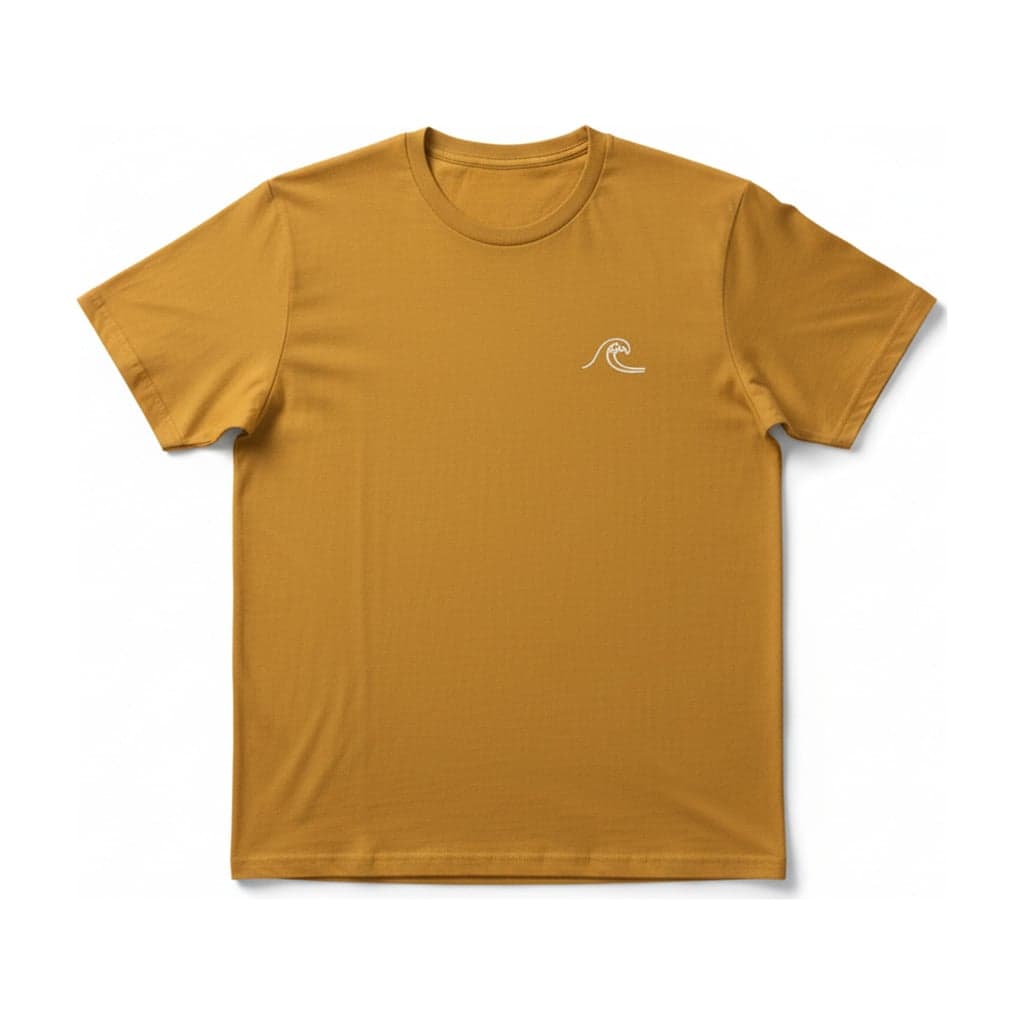 Flat lay
Working out the cost of your catalog
Count images, not products. A typical clothing listing has a main image plus a few more, so multiply your products by the number of images each one needs.
Take 50 products with 3 images each, 150 images in total:
| Route | Rate used | Cost for 150 images |
|---|---|---|
| Studio, flat lay | $30–$50 per image | $4,500–$7,500 |
| Editing service, ghost mannequin | $0.89–$1.79 per image | about $135–$270, plus your own shoot |
| AI tool on this site | $0.20 per image (150-credit pack) | $29.99, plus your own shoot |
The studio rows include the shoot. The other two don't, so add your own time and, if you need them, a mannequin and lights. A light-colored mannequin torso and a window are enough to start.
Many stores mix the routes: a studio or model shoot for the hero products that sell the most, and their own photos turned into ghost mannequin or flat lay images for the rest of the catalog.
What changes the price anywhere
- Number of views. Front, back and a detail shot are three images, not one.
- Garment type. Dresses, coats and anything with a complex neckline or many layers cost more to edit by hand, and are where AI results need the closest check.
- Consistency. Matching the background, ratio and spacing across a catalog is part of what you pay a studio for. With your own photos, keep the same settings for every product.
- Platform rules. Amazon's main image needs a pure white background and no visible mannequin; Etsy recommends at least 2000 px on the shortest side. See clothing product photo requirements before you order or shoot.
If you want to try the cheapest route on your own photos first, start with the ghost mannequin generator or the flat lay generator, and compare the result with the garment before deciding where each product's photos should come from.